A second live, further attenuated measles virus vaccine was licensed
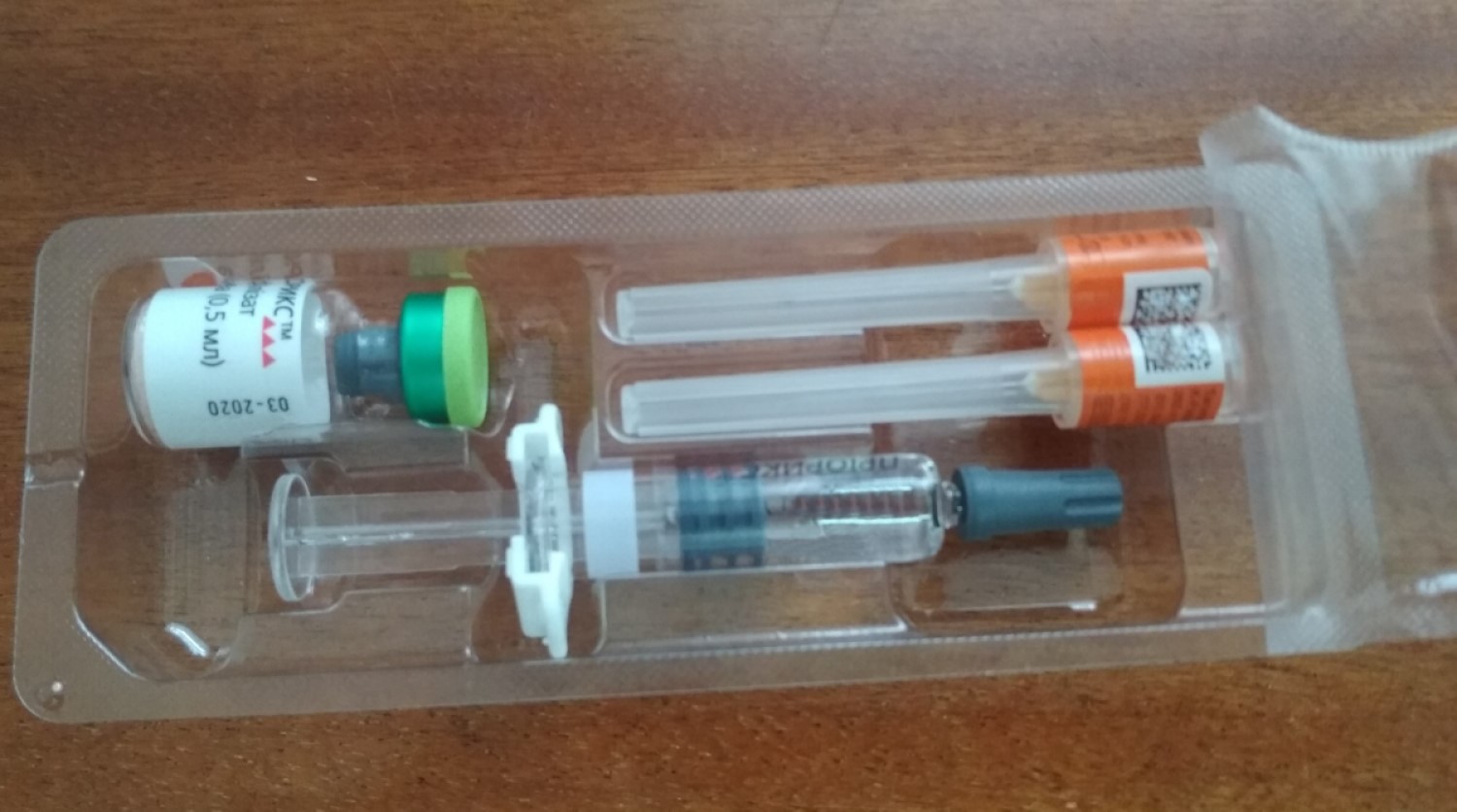
On Nov. 26, 1968, the U.S. Food and Drug Administration (FDA) licensed a second live, further attenuated measles virus vaccine (Attenuvax by Merck, based on the Moraten strain, derived from the Edmonston strain). In March 1967, public health officials announced that measles could be eradicated from the U.S. within a few months by use of the newly approved measles vaccines.
This improved vaccine, grown in chick embryo cell culture, was a weakened version of the original Edmonston B strain licensed in 1963 and caused fewer side effects like fever and rash. The original 1963 vaccine often required a concurrent injection of gamma globulin to mitigate side effects.
The 1968 vaccine, due to its increased attenuation, could be administered without gamma globulin and became the only measles vaccine used in the United States from that point on. The 1968 vaccine is the strain still used in the combination measles, mumps, and rubella (MMR) vaccine (M-M-R II) licensed in 1971.
In 2000, measles is finally considered eliminated in the U.S. More than 500,000 cases of measles occurred each year in the U.S. in the 20th century compared with 13 cases in 2020.
On November 18, 2025, the U.S. Centers for Disease Control announced 1,723 measles cases, and 87% of confirmed cases were part of an outbreak that began in Texas earlier in the year that rapidly spread to adjacent southwestern states, and the rest of the nation. The CDC suggests the U.S. elimination status is in jeopardy.
Tags:
Source: Mayo Clinic
Credit: