Genomes from 240 mammalian species revealed what makes the human genome unique
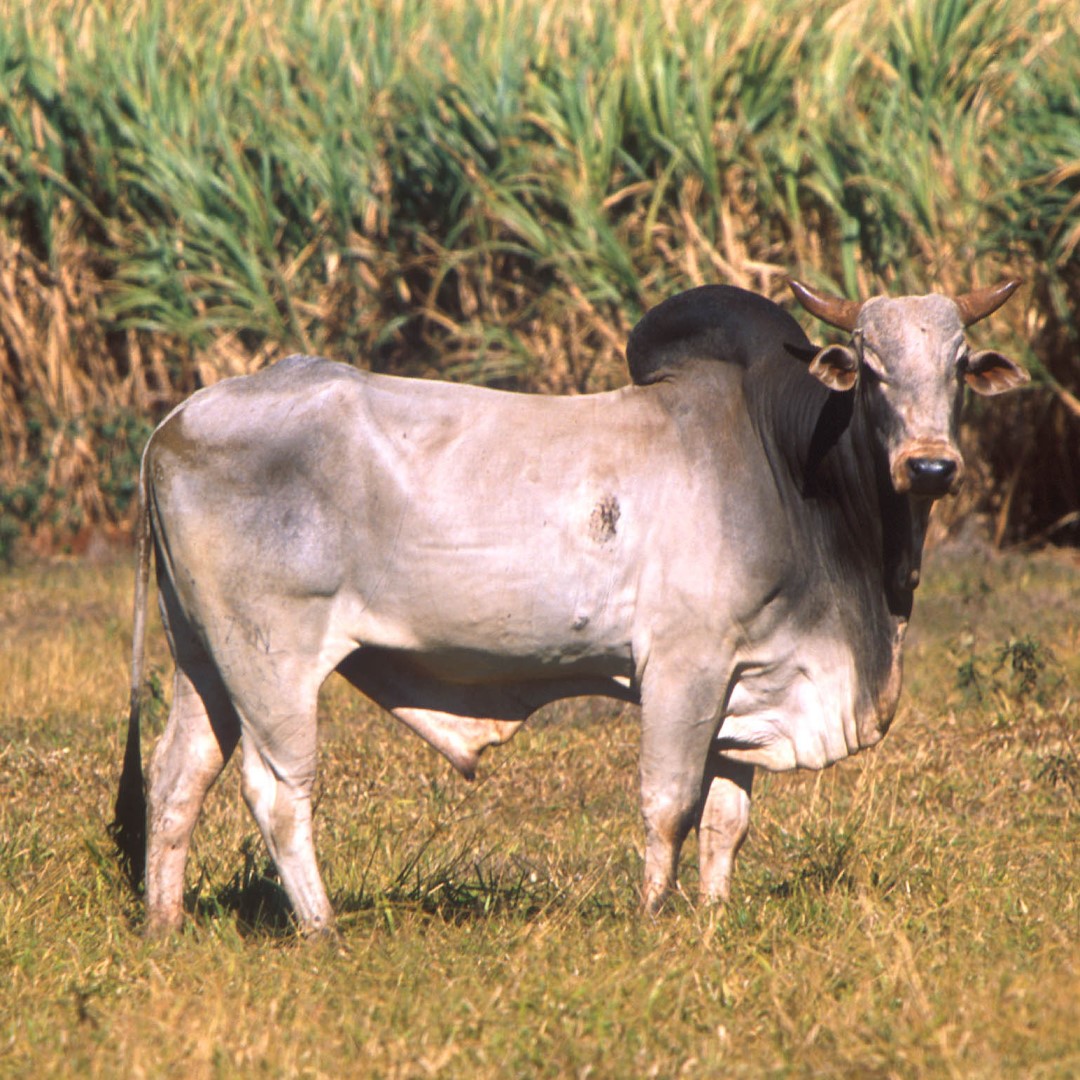
On Apr. 27, 2023, Zoonomia scientists announced they have have been cataloging the diversity in mammalian genomes by comparing DNA sequences from 240 species that exist today, from the aardvark and the African savanna elephant to the yellow-spotted rock hyrax and the zebu.
In several papers in a special issue of Science, the Zoonomia team has demonstrated how comparative genomics can not only shed light on how certain species achieve extraordinary feats, but also help scientists better understand the parts of our genome that are functional and how they might influence health and disease.
In the new studies, the researchers identified regions of the genomes, sometimes just single letters of DNA, that are most conserved, or unchanged, across mammalian species and millions of years of evolution — regions that are likely biologically important. They also found part of the genetic basis for uncommon mammalian traits such as the ability to hibernate or sniff out faint scents from miles away. And they pinpointed species that may be particularly susceptible to extinction, as well as genetic variants that are more likely to play causal roles in rare and common human diseases. The findings come from analyses of DNA samples collected by more than 50 different institutions worldwide, including many from the San Diego Wildlife Alliance, which provided many genomes from species that are threatened or endangered.
More than 150 people across seven time zones have contributed to the Zoonomia Project, which is the largest comparative mammalian genomics resource in the world. The effort is led by Elinor Karlsson, director of the vertebrate genomics group at the Broad Institute of MIT and Harvard and a professor of bioinformatics and integrative biology at the UMass Chan Medical School, and Kerstin Lindblad-Toh, scientific director of vertebrate genomics at the Broad and a professor of comparative genomics at Uppsala University in Sweden.
In one of the studies published, co-first authors Matthew Christmas, a researcher at Uppsala University, and Irene Kaplow, a postdoctoral researcher at Carnegie Mellon University, along with Karlsson, Lindblad-Toh, and collaborators, found that at least 10 percent of the human genome is highly conserved across species, with many of these regions occurring outside of protein-coding genes. More than 4,500 elements are almost perfectly conserved across more than 98 percent of the species studied.
Most of the conserved regions — which have changed more slowly than random fluctuations in the genome — are involved in embryonic development and regulation of RNA expression. Regions that changed more frequently shaped an animal’s interaction with its environment, such as through immune responses or the development of its skin. The researchers also pinpointed parts of the genome linked to a few exceptional traits in the mammalian world, such as extraordinary brain size, superior sense of smell, and the ability to hibernate during the winter.
With an eye toward preserving biodiversity, the researchers found that mammals with fewer genetic changes at conserved sites in the genome were at greater risk for extinction. Karlsson and Lindblad-Toh say that even having just one reference genome per species could help scientists identify at-risk species, as less than 5 percent of all mammalian species have reference genomes, though more work is needed to develop these methods.
Tags:
Source: Broad Institute
Credit: