Scientists used modified silk proteins to create new nonstick surfaces
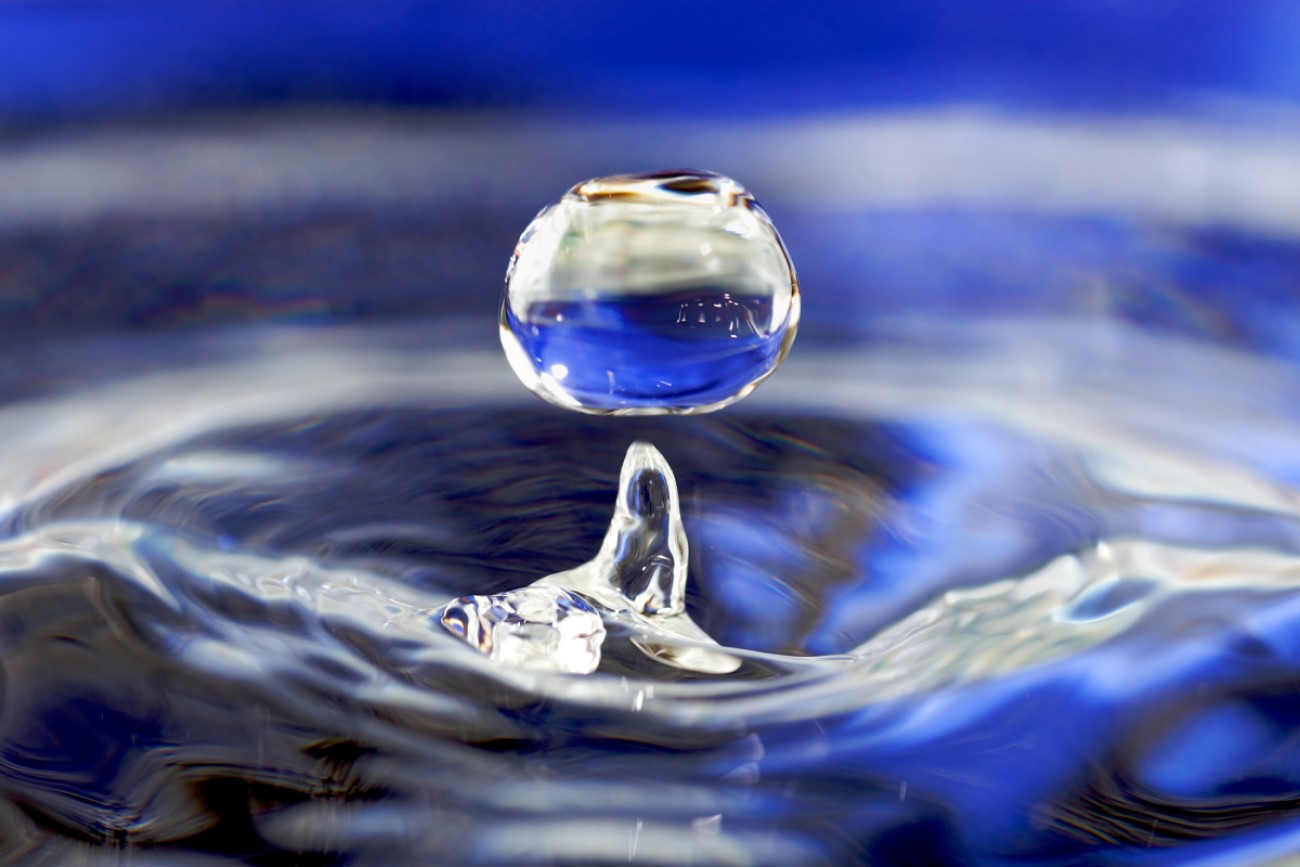
On Sept. 23, 2022, researchers at Tufts University announced they had developed a method to make silk-based materials that refuse to stick to water, or almost anything else containing water.
The modified silk, which can be molded into forms like plastic or coated onto surfaces as a film, has nonstick properties that surpass those of nonstick surfaces typically used on cookware, and it could see applications that extend into a wide range of consumer and medical products.
Silk is a natural fiber spun by moths and has been used for thousands of years to make durable and fine fabrics—and surgical sutures to close wounds.
More recently, scientists have learned to break down the fibers to their basic protein element—silk fibroin—and reconstitute it into gels, films, sponges, and other forms to create everything from implantable orthopedic screws to textile inks that change color in response to body chemistry.
“Modifying medical devices to prevent detrimental interactions with water and other biologics has the potential to preserve strength and integrity for as long as they are needed,” explained Julia Fountain, a graduate student in Kumar’s lab and co-author of the paper. “Silk is already relatively inert to the immune system, so tuning its ability to repel cells or other substances could make it even more useful.”
The advantages of highly nonstick surfaces go well beyond medical applications. While there is concern regarding chemicals absorbed in the body from commercially available nonstick coatings, silk-based nonstick surfaces may offer an alternative option, which can be explored for its relative safety.
One could also imagine automotive windshields where rainwater just rolls off without using wipers, coatings on metals that help prevent rust, or on fabrics to make them easier to clean.
Tags:
Source: Tufts University
Credit: